
Annual report · 2026
The Erasmus City Index 2026
Our annual report: 27 destinations scored on seven weighted factors and thousands of student experiences, to answer the only question that matters — where should you go on Erasmus in 2026?
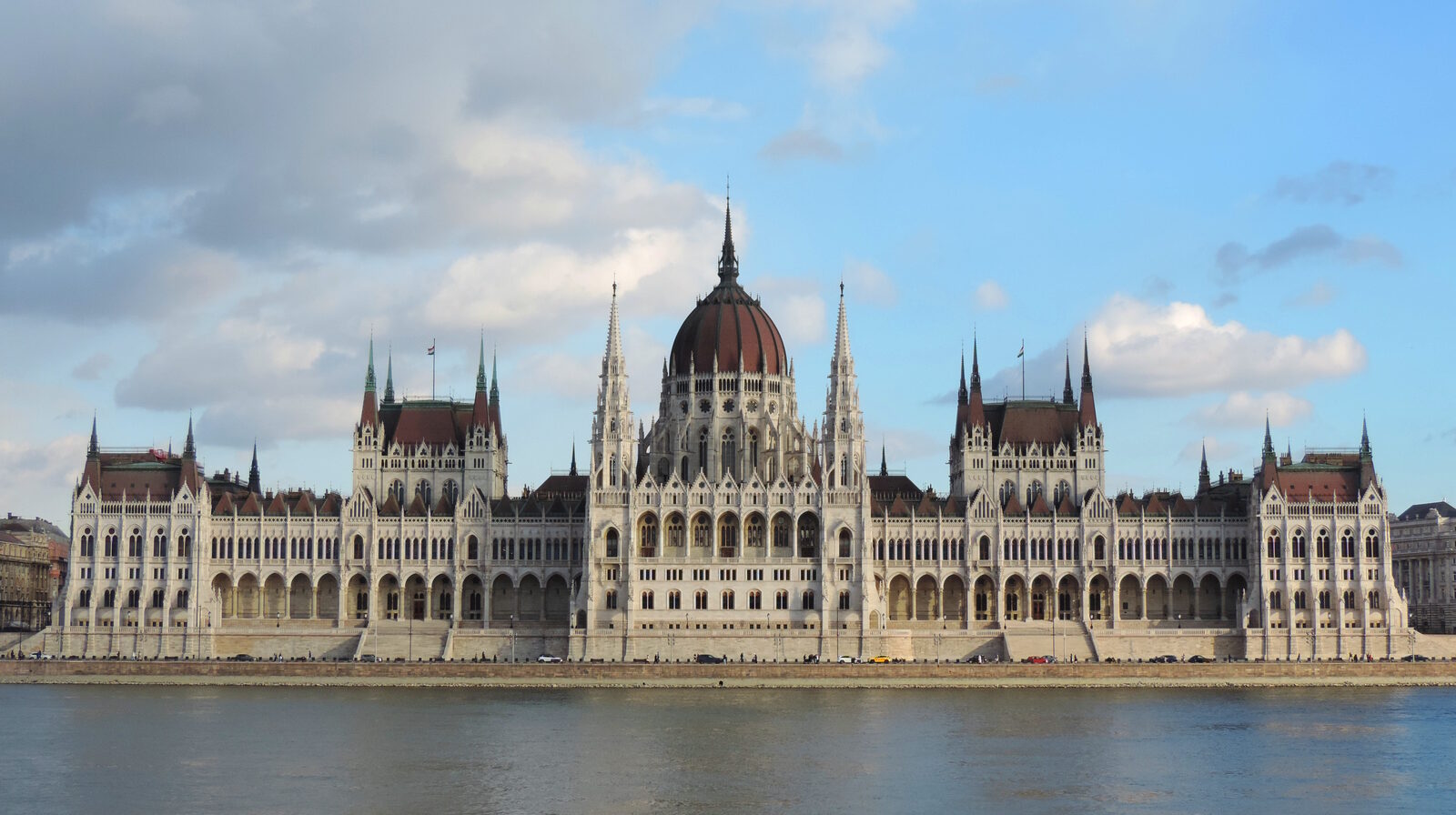
Welcome to the Erasmus City Index 2026, our annual ranking of the best Erasmus destinations in Europe. Every year thousands of students face the same decision with almost no comparable data: a list of partner universities, a few friends' anecdotes and a scroll through Instagram. This report exists to replace that guesswork with something closer to evidence.
We scored 27 European cities across seven weighted factors — student life, cost of living, nightlife, university reputation, travel opportunities, housing and climate — and cross-checked every score against the experiences students submit to Erasmus City Finder. The result is an overall Top 25, eight category rankings, and a short explanation of why each city lands where it does.
No city wins everything. Budapest tops the Index because it is exceptional at the things that define an exchange year and merely average at the rest; Copenhagen finishes last on the Index and is still one of the best academic experiences in Europe. Read the methodology first, then use the rankings the way they are meant to be used: as a shortlist, not a verdict.
Methodology: how the Erasmus City Index is built
The Index is not a popularity contest and it is not ordered by how famous a city is. Every destination is scored from 1 to 5 on seven factors, those scores are combined using fixed weights, and the weighted average is converted to a 0–100 Index score. The weights are the same for every city and are published below so the ranking can be audited and reproduced.
| Factor | Weight | What it measures |
|---|---|---|
| Student life | 22% | Size of the international community, ESN activity, how easy it is to build a group |
| Cost of living | 16% | Monthly all-in budget: rent, food, transport, leisure |
| Nightlife | 16% | Variety, prices, closing times and how welcoming the scene is to newcomers |
| University reputation | 14% | Academic standing, course availability in English, exchange infrastructure |
| Travel opportunities | 14% | Low-cost flight and rail connections, weekend-trip range |
| Housing | 10% | Availability, competition and price of student accommodation |
| Climate | 8% | Sunshine hours, winter severity, outdoor-life season |
Where the data comes from
- Objective city data — rents, transport passes, average grocery and going-out prices, flight and rail connectivity, and university enrolment and exchange figures, refreshed for the 2025/26 academic year.
- Cost of living — a single all-in monthly budget per city, built from accommodation (~50% of a typical budget), food (~23%), leisure (~23%) and transport (~4%).
- Student lifestyle — the density of local and international students, the strength of the ESN section, and how quickly newcomers report finding a social circle.
- Travel opportunities — the number of European destinations reachable in under three hours and for under €60 return during term time.
- Climate — sunshine hours, average term-time temperatures and the length of the outdoor season, weighted lightly because it changes comfort rather than opportunity.
- University reputation — international standing, breadth of English-taught courses and the quality of the exchange office, not just rankings.
- Real student experiences — every approved review submitted through Erasmus City Finder, used to validate and adjust the objective scores where lived experience and the numbers disagree.
The student-experience layer matters. Where reviews consistently contradict the data — for example, cities where the paper rent looks reasonable but students describe months of viewings before finding a room — the housing or student-life score is adjusted downwards. Cities are only ranked once they have enough reviews to be meaningful, which is why the Index covers 27 destinations rather than every partner university in Europe.
One deliberate choice: the Index rewards fit and value, not prestige. A city that is very good at four things students actually spend their year doing will beat a city that is world-class at one expensive thing. That is why Central Europe performs strongly and why the most expensive capitals sit lower than their reputations suggest.
The Overall Top 25 Erasmus Cities of 2026
These are the 25 highest-scoring destinations in the 2026 Index. Each card shows the weighted Index score out of 100 and the single reason the city sits where it does. Click any city for its full profile, budget breakdown and student reviews.
- 1
Budapest
89.6The most complete Erasmus city in Europe in 2026. Ruin bars, a €925 monthly budget, genuinely available housing and one of the largest exchange communities on the continent — Budapest scores 5/5 on cost, nightlife, student life, housing and travel. Only its grey winters and mid-tier university reputation keep it from a perfect run.
- 2
Granada
88Europe's best-value social city. Free tapas with every drink, the cheapest rents in Spain at around €825 a month and a student population that dominates the old town. It loses points only on travel: Granada's airport is small, so weekend trips take planning.
- 3
Seville
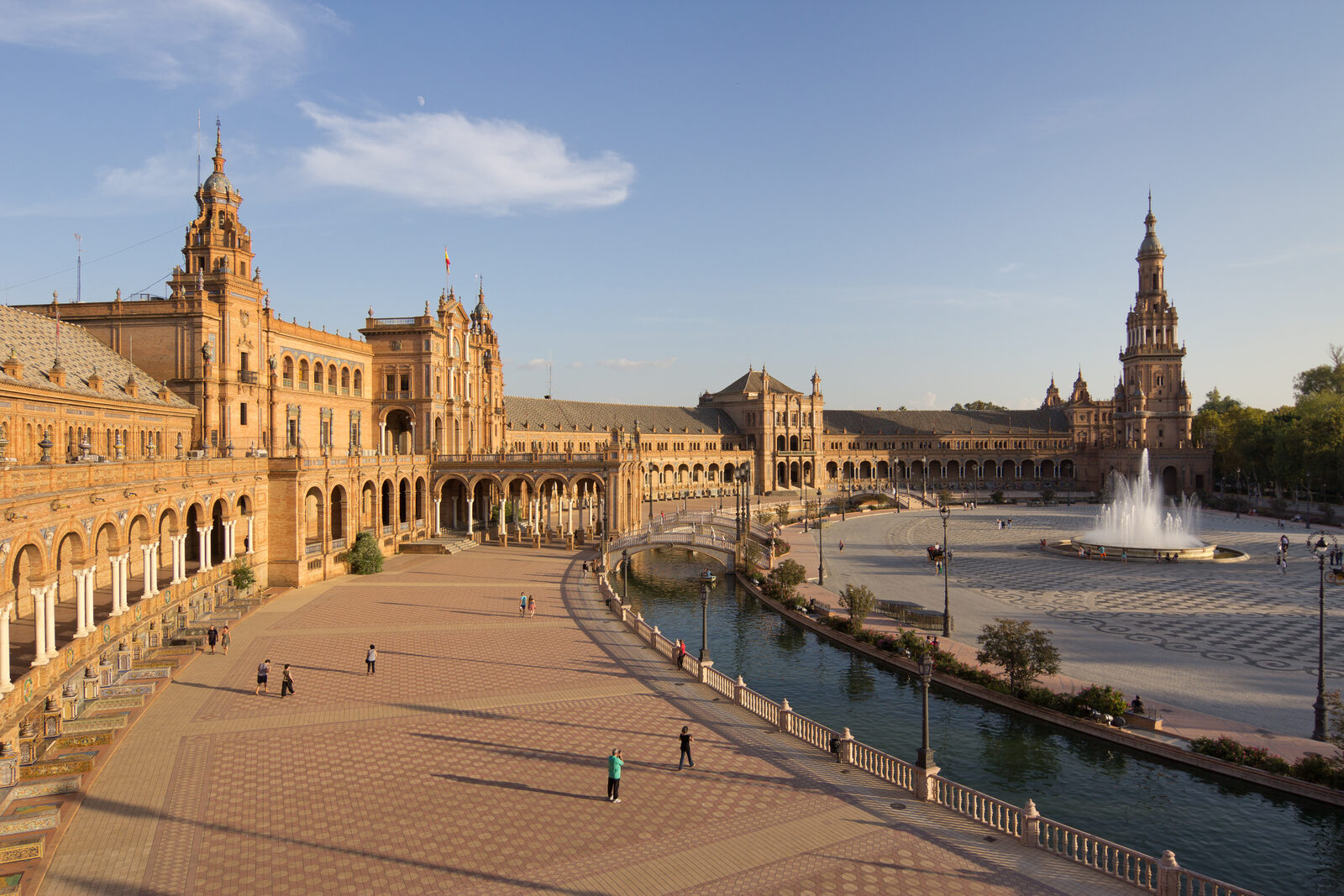
87.2The Andalusian benchmark. Perfect weather, a 5/5 nightlife scene built around terraces and ferias, and one of the friendliest international communities in Europe. Housing is competitive in September and summer heat is brutal, but few cities deliver a better nine months.
- 4
Prague
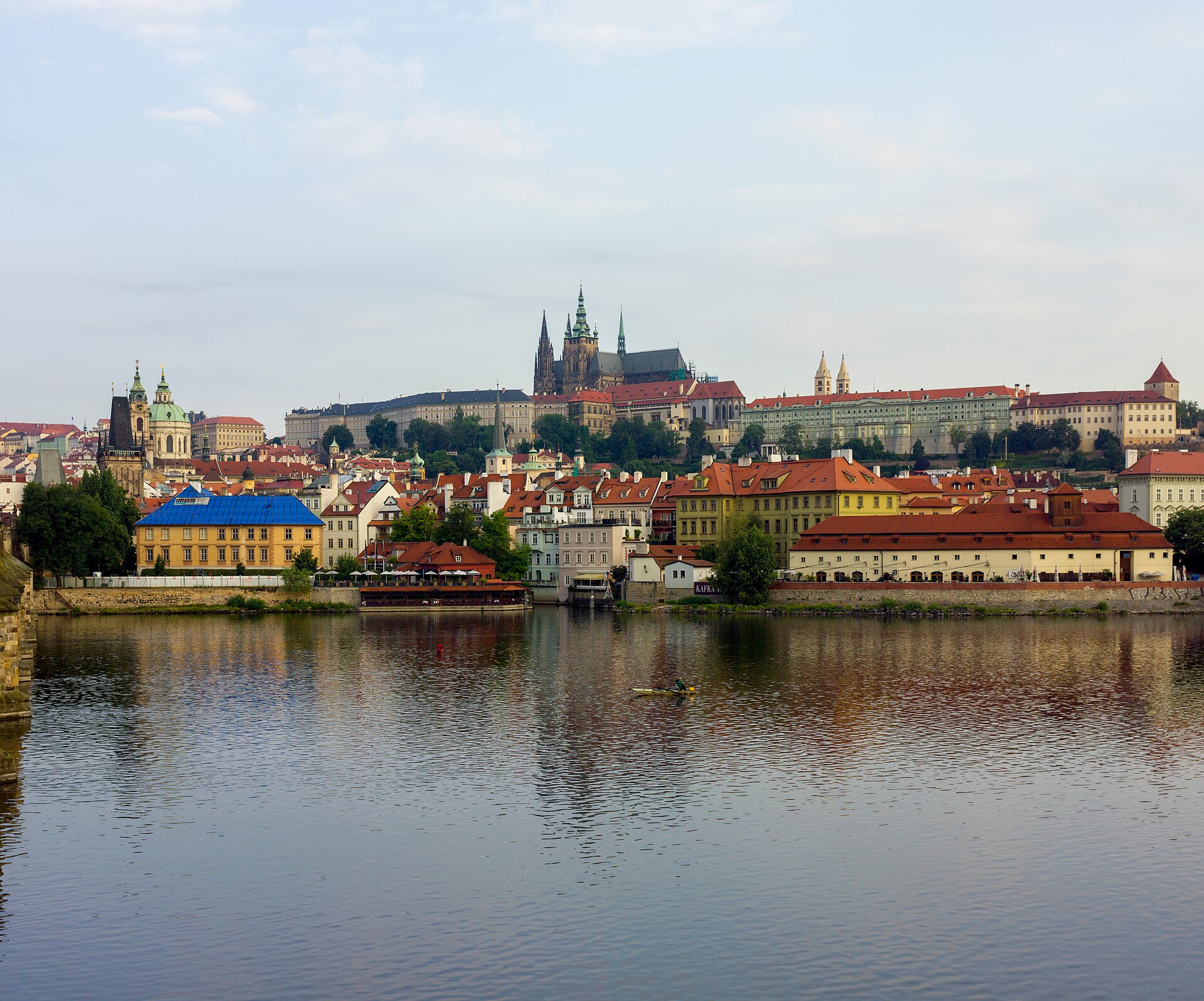
87.2The classic Erasmus capital, and still elite. Cheap beer, all-night clubbing, excellent public transport and a central position that makes Berlin, Vienna and Krakow weekend-trip distance. Winters are long and dark — that is the entire trade-off.
- 5
Brno
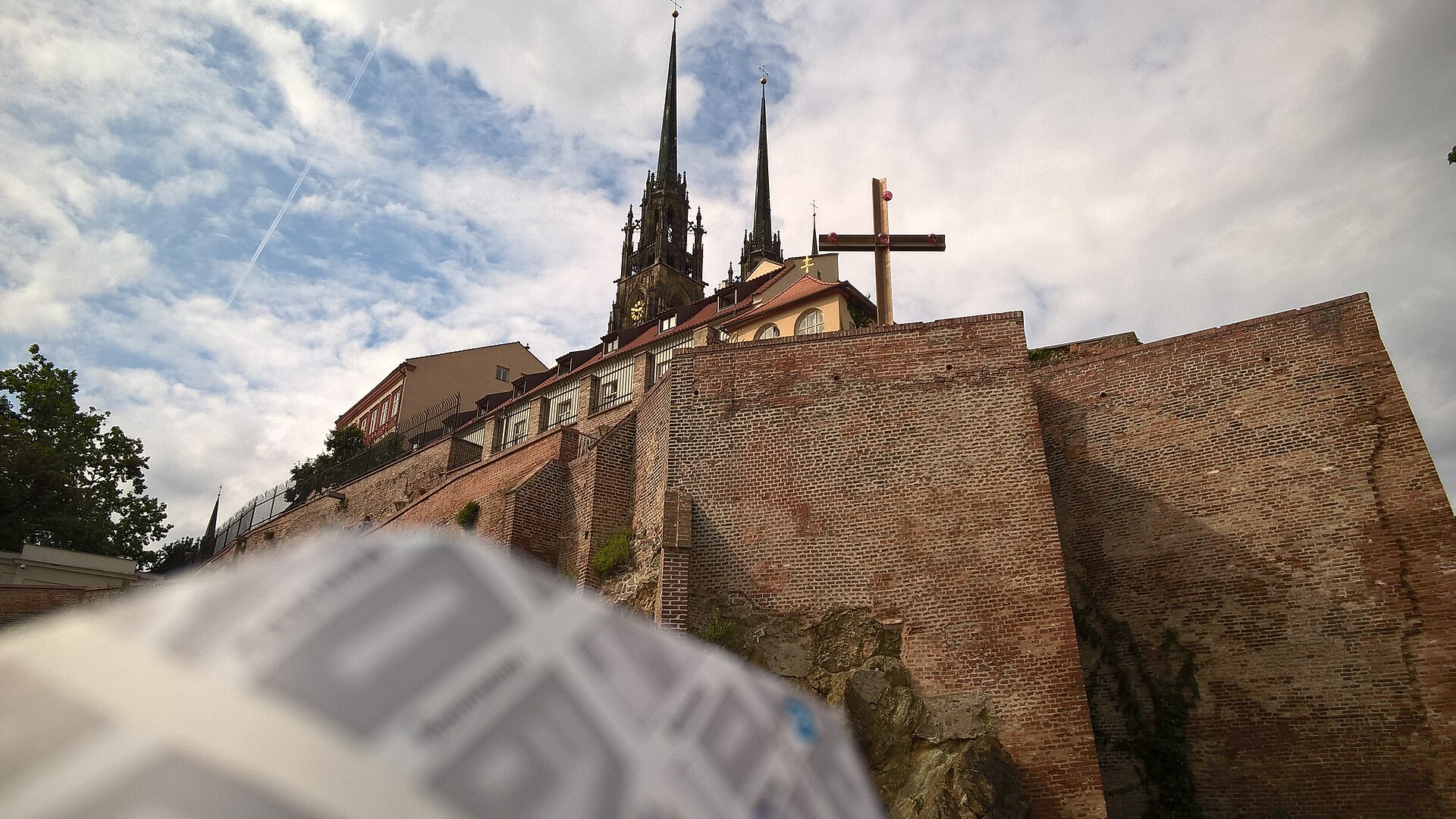
87.2The Index's biggest riser and Europe's best-kept secret. Czechia's second city has 80,000 students in a compact centre, a €800 monthly budget, easy housing and Vienna an hour away by train. Smaller and quieter than Prague, and far cheaper.
- 6
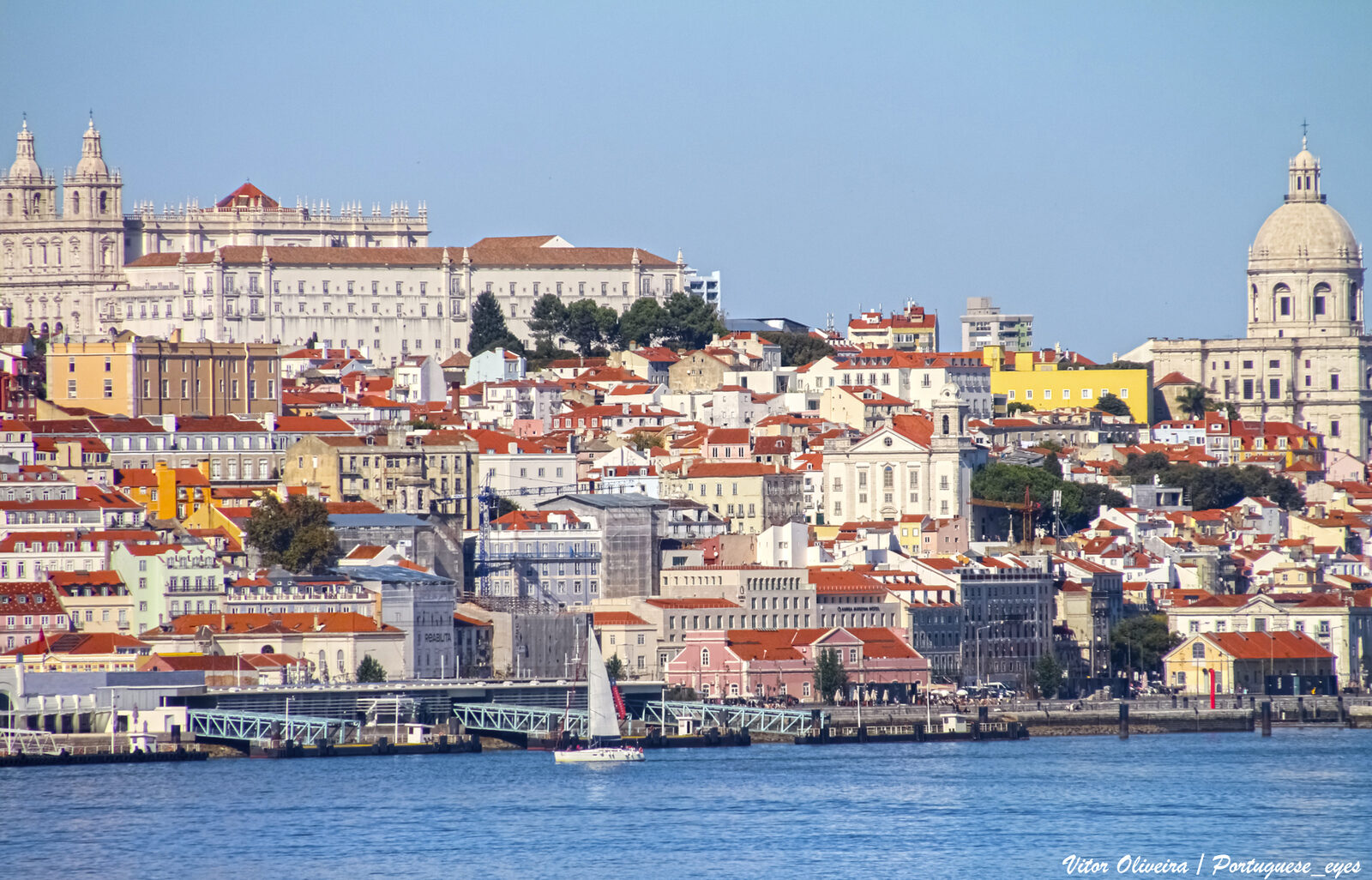
Lisbon
84.8The most atmospheric city in the top ten. Five out of five for weather, nightlife, travel and student life — Bairro Alto, sunrise miradouros and cheap flights everywhere. Housing is the weak point: rents have risen sharply and rooms go fast.
- 7
Wroclaw
84.4Poland's most underrated destination. A €800 all-in budget, a gorgeous market square, a huge and well-organised ESN section and a nightlife scene that punches far above the city's size. Cold winters and a lower profile are the only real costs.
- 8
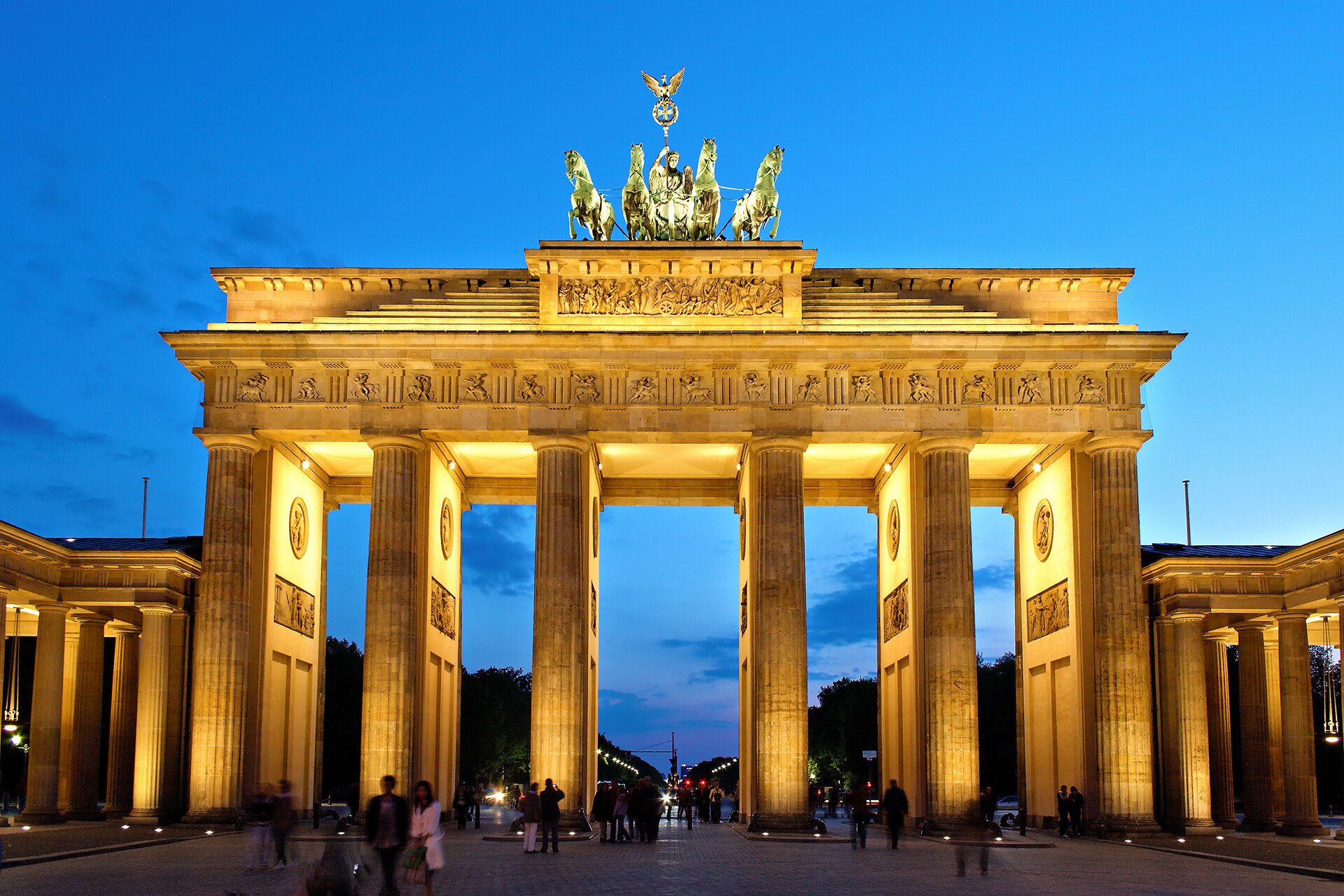
Berlin
82.8The best big-city experience on the list. World-class universities, legendary techno, endless subcultures and travel connections to everywhere. It ranks eighth rather than first because housing is genuinely difficult and the city can feel isolating if you arrive without a plan.
- 9
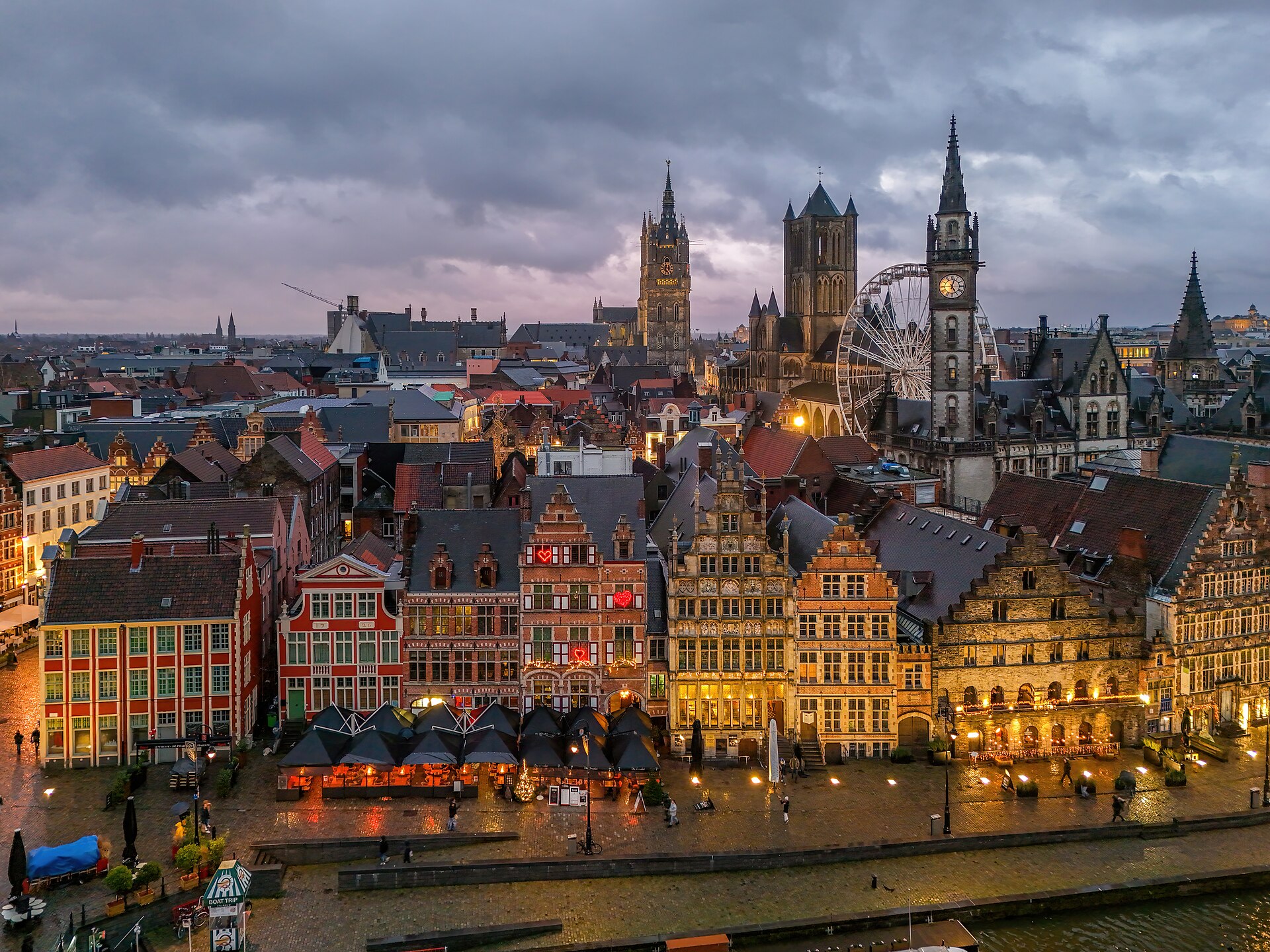
Ghent
80.8Belgium's student city and a quiet overachiever. Medieval canals, a very high student-to-resident ratio, manageable housing and a location that puts Paris, Amsterdam and London within a few hours. The weather is the price you pay.
- 10
Bologna
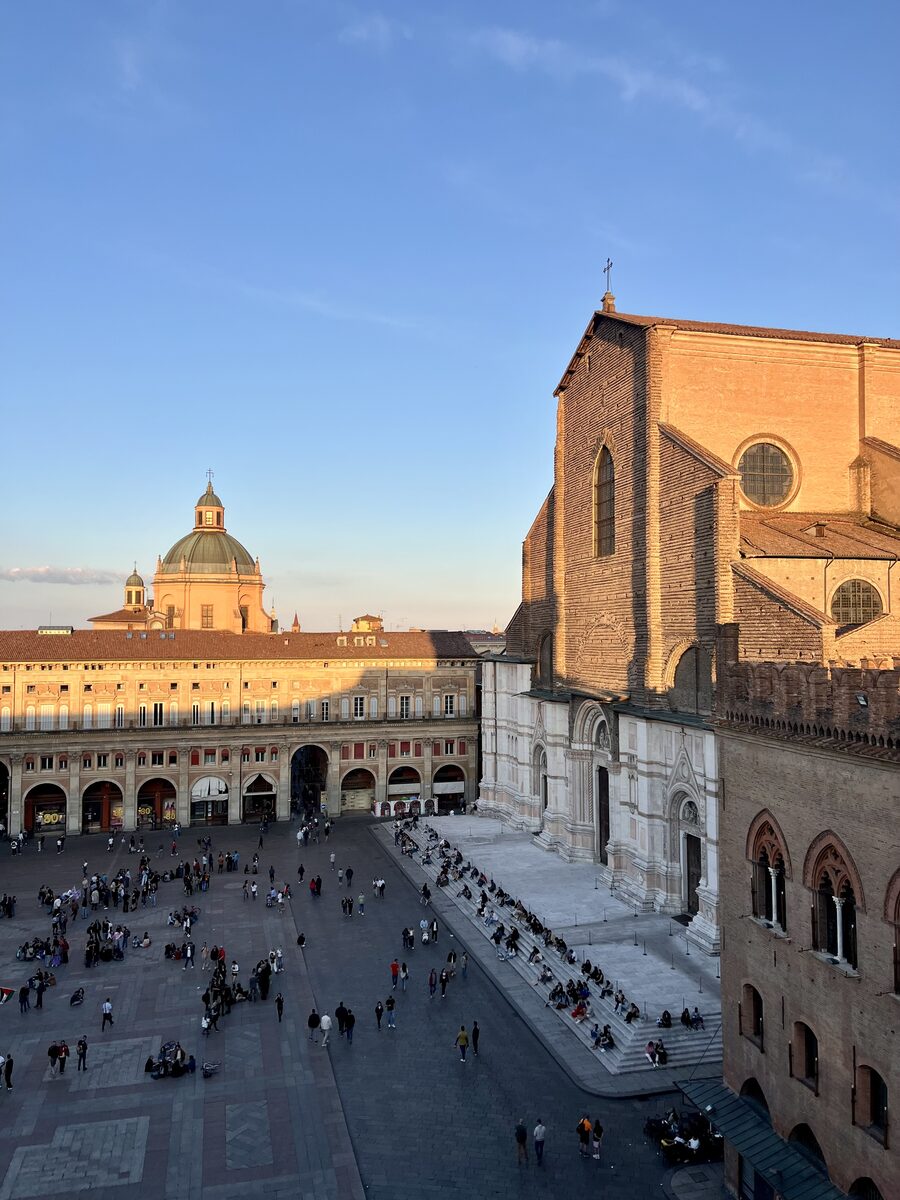
80Home to Europe's oldest university and one of its densest student cultures. Porticoes, political life, aperitivo and an exceptional academic reputation. Rents are high for Italy and the nightlife is more bar than club.
- 11
Padova
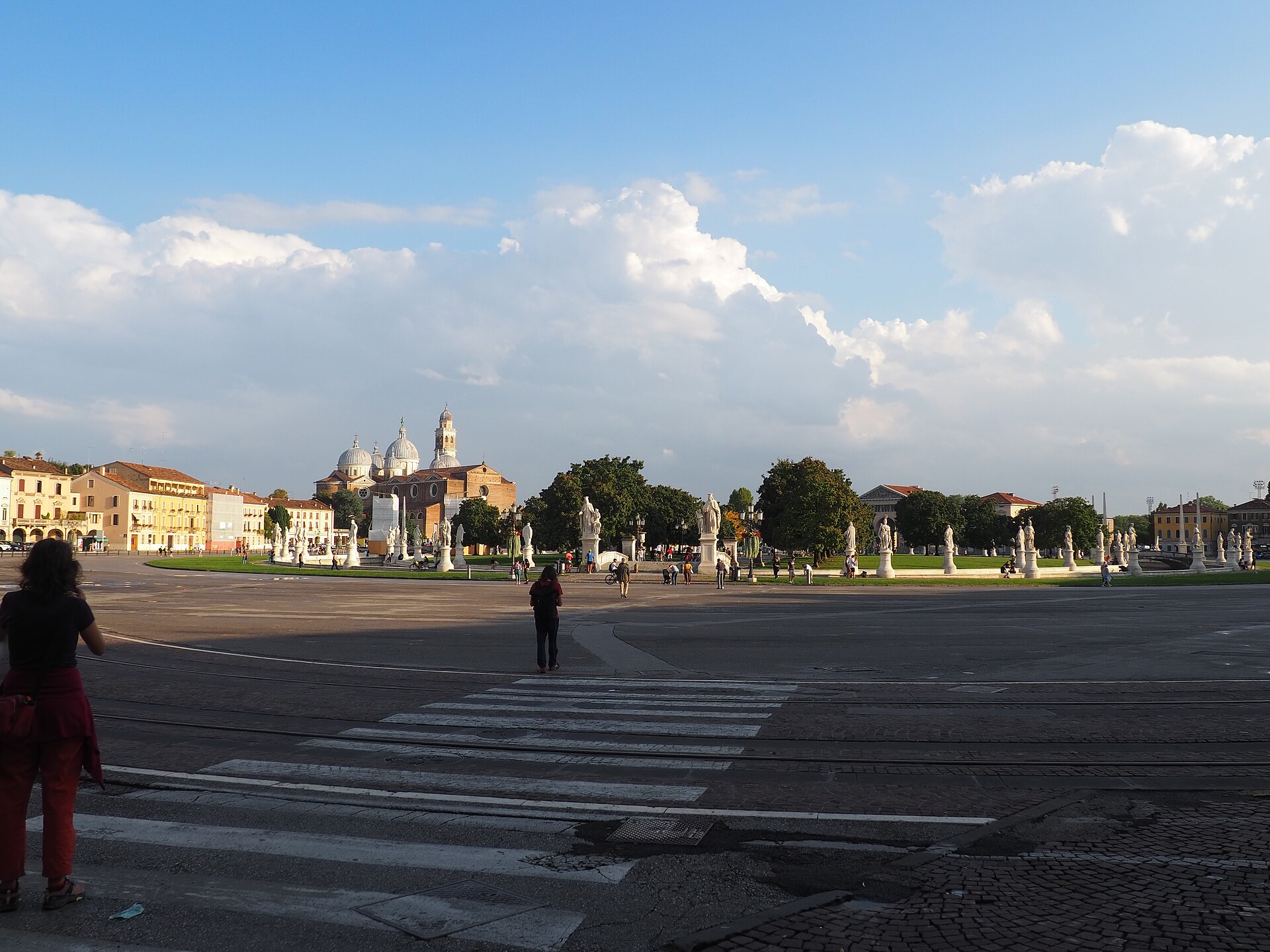
80Bologna's calmer northern cousin: a historic university, a compact centre entirely built around students, and Venice thirty minutes away. Cheaper than most Italian options and superbly connected by rail.
- 12
Warsaw
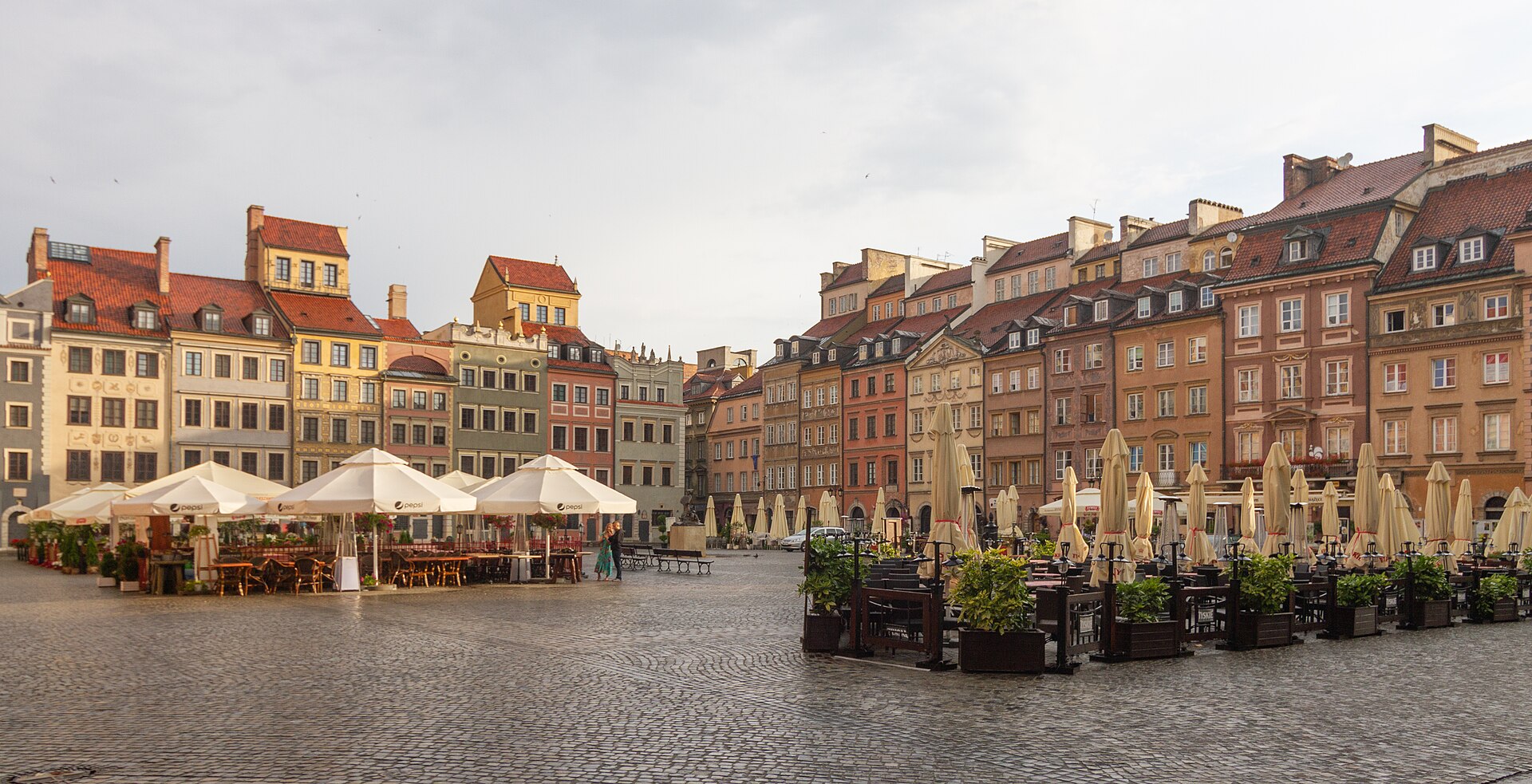
79.6The most metropolitan of the Polish options. Big-city amenities on a €900 budget, strong universities, a serious nightlife scene and an airport with flights to the entire continent. Less picturesque than Krakow, but far more happening.
- 13
Toulouse
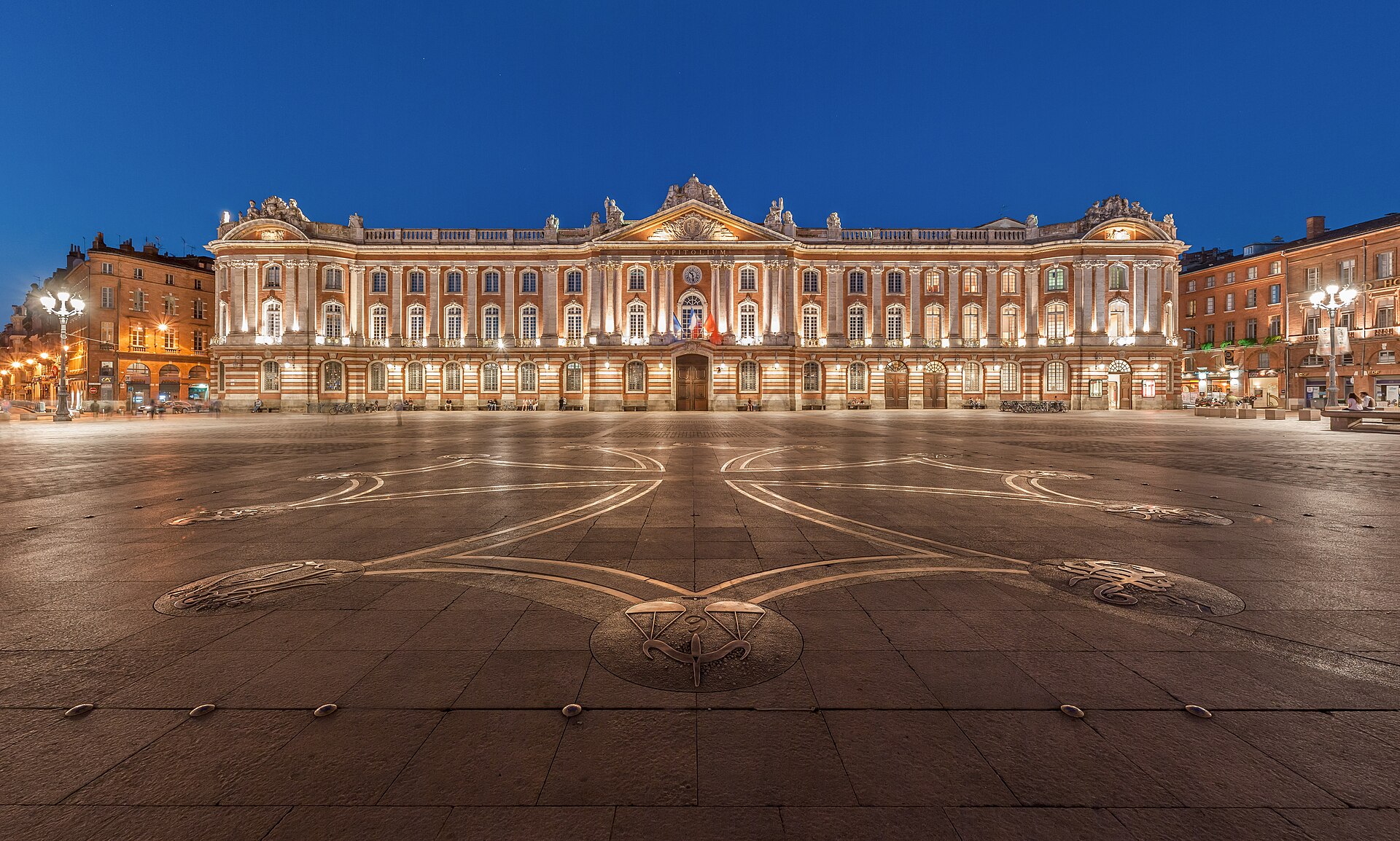
79.2France's best Erasmus value. The Ville Rose combines a genuinely huge student population, southern sunshine, a rugby-and-terrace social culture and rents well below Paris or Lyon.
- 14
Madrid
78.4The most intense social city in Europe. Nightlife runs until 7am, the university scene is enormous and every Spanish city is a cheap train away. It sits mid-table purely on cost: expect €1,225 a month and a hard search for a room.
- 15
Vienna
77.6The quality-of-life pick. Outstanding universities, the best public transport in Europe, safe and beautifully organised, with regulated student housing that actually exists. Expensive and slightly formal, which caps its student-life score.
- 16
Barcelona
76.4Still the most requested destination in Europe, and still the hardest place to find a room. Beach, architecture, top universities and world-class nightlife, dragged down the Index by a €1,300 budget and a 1/5 housing market.
- 17
Krakow
75.6Poland's most beautiful city and one of its cheapest, with a magnificent old town and a strong bar scene. The Erasmus community is smaller than Warsaw's or Wroclaw's, which is the only thing holding it back.
- 18
Rome
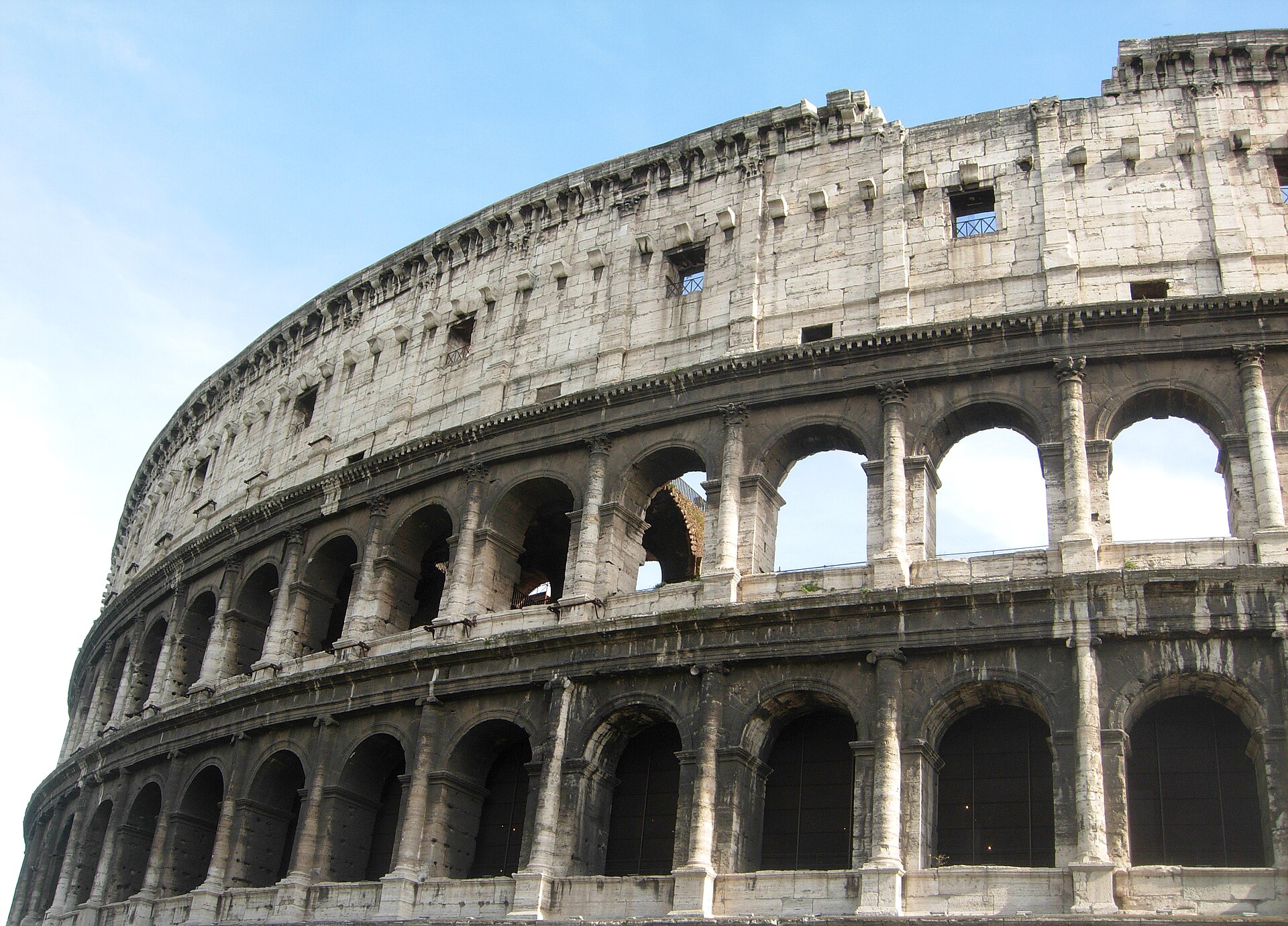
75.2An incomparable place to live and an inconsistent place to study. Five out of five for travel and university prestige, let down by bureaucracy, transport and a rental market that punishes late arrivals.
- 19
Valencia
74.8The balanced Spanish option: beach, Fallas, a walkable centre and a budget around €975 — cheaper than Barcelona with much of the same lifestyle. Slightly smaller international scene.
- 20
Zagreb
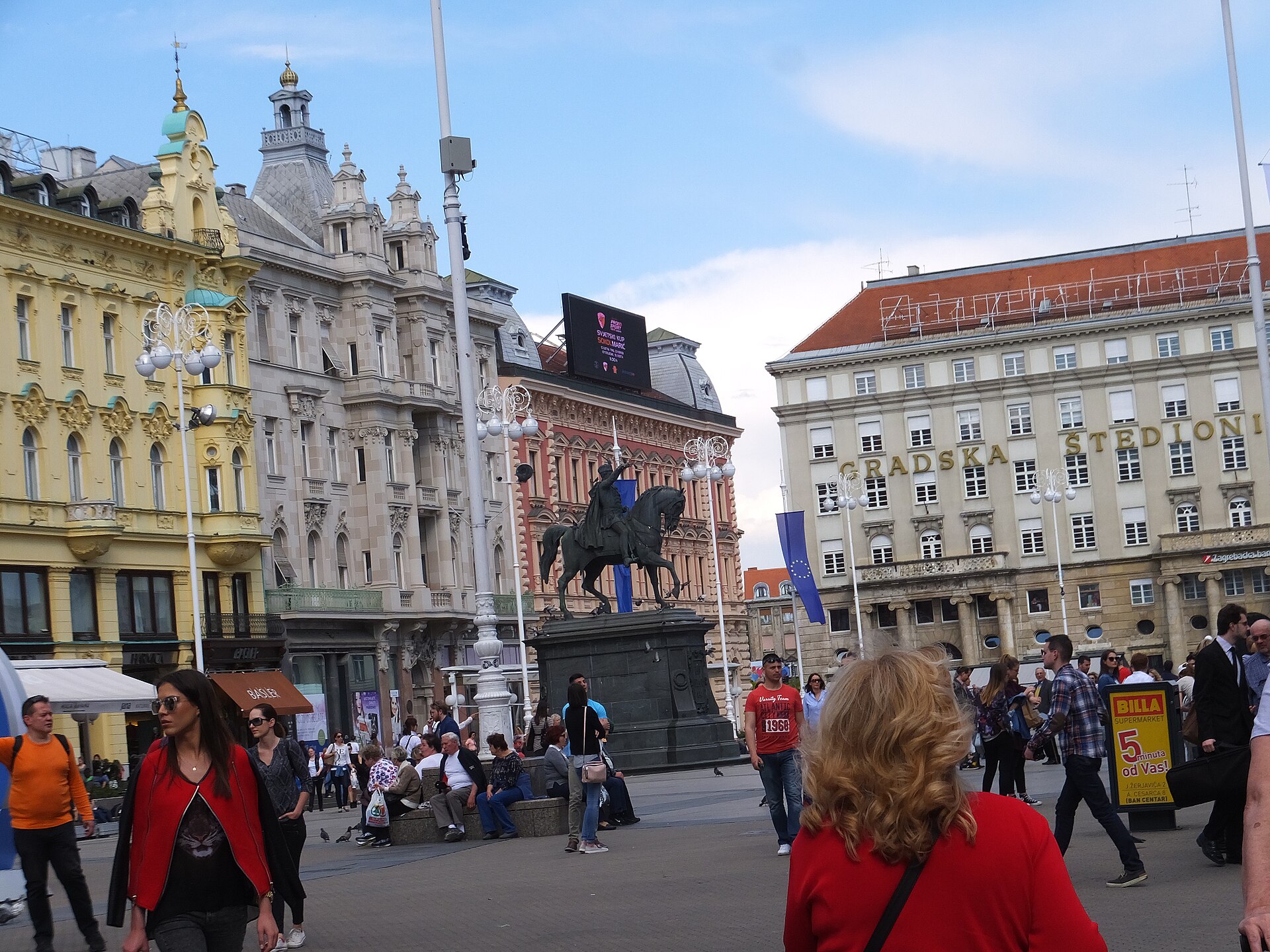
72.4The best-value entry point to the Balkans. Cheap, safe, easy housing and a laid-back café culture, with the Adriatic coast reachable in a few hours. A smaller exchange community than the Polish and Czech leaders.
- 21
Amsterdam
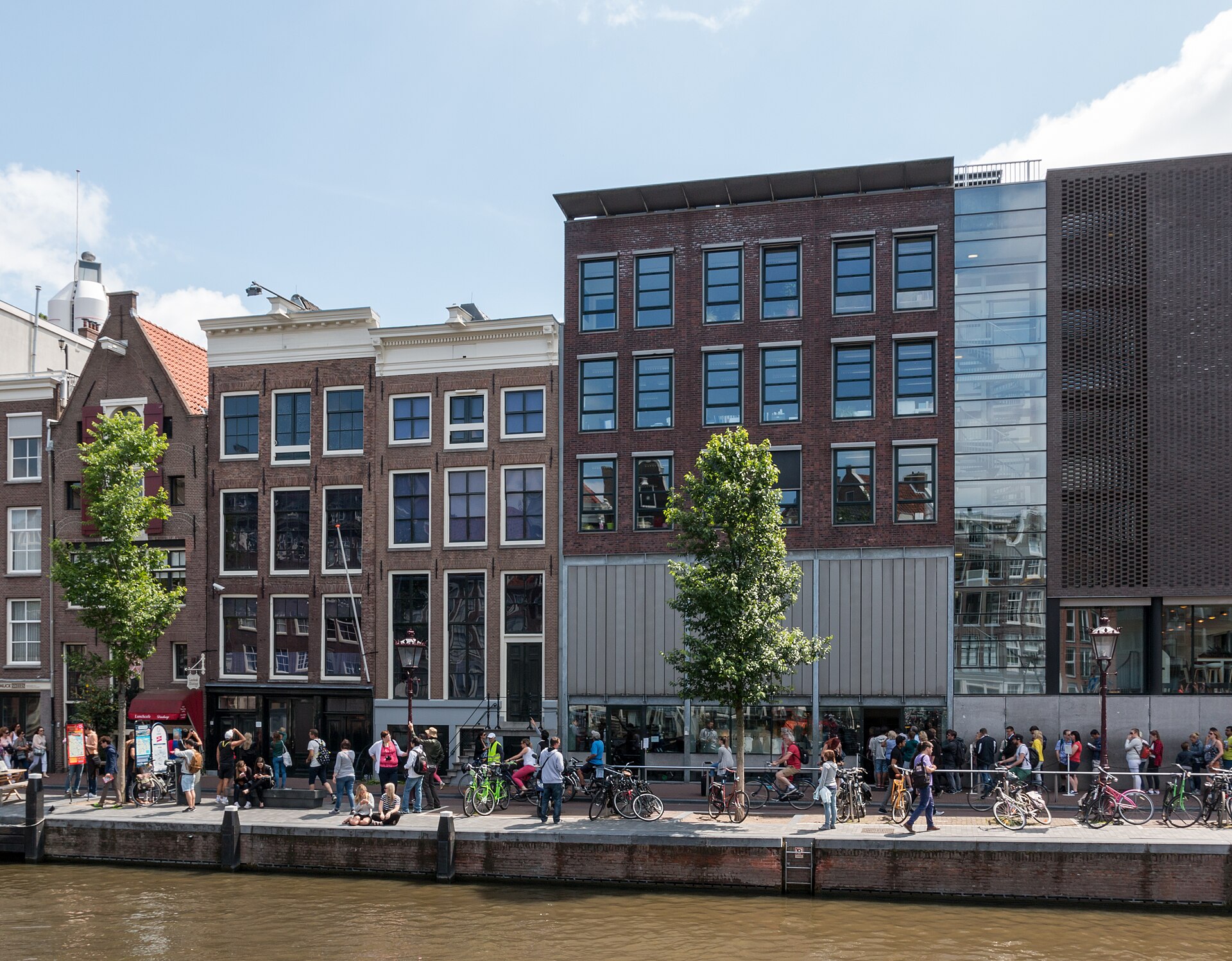
70Elite universities, superb nightlife and unbeatable connections — and the second-most expensive city in the Index at €1,500 a month, with a housing market so tight that students routinely commute from other towns.
- 22
Ljubljana
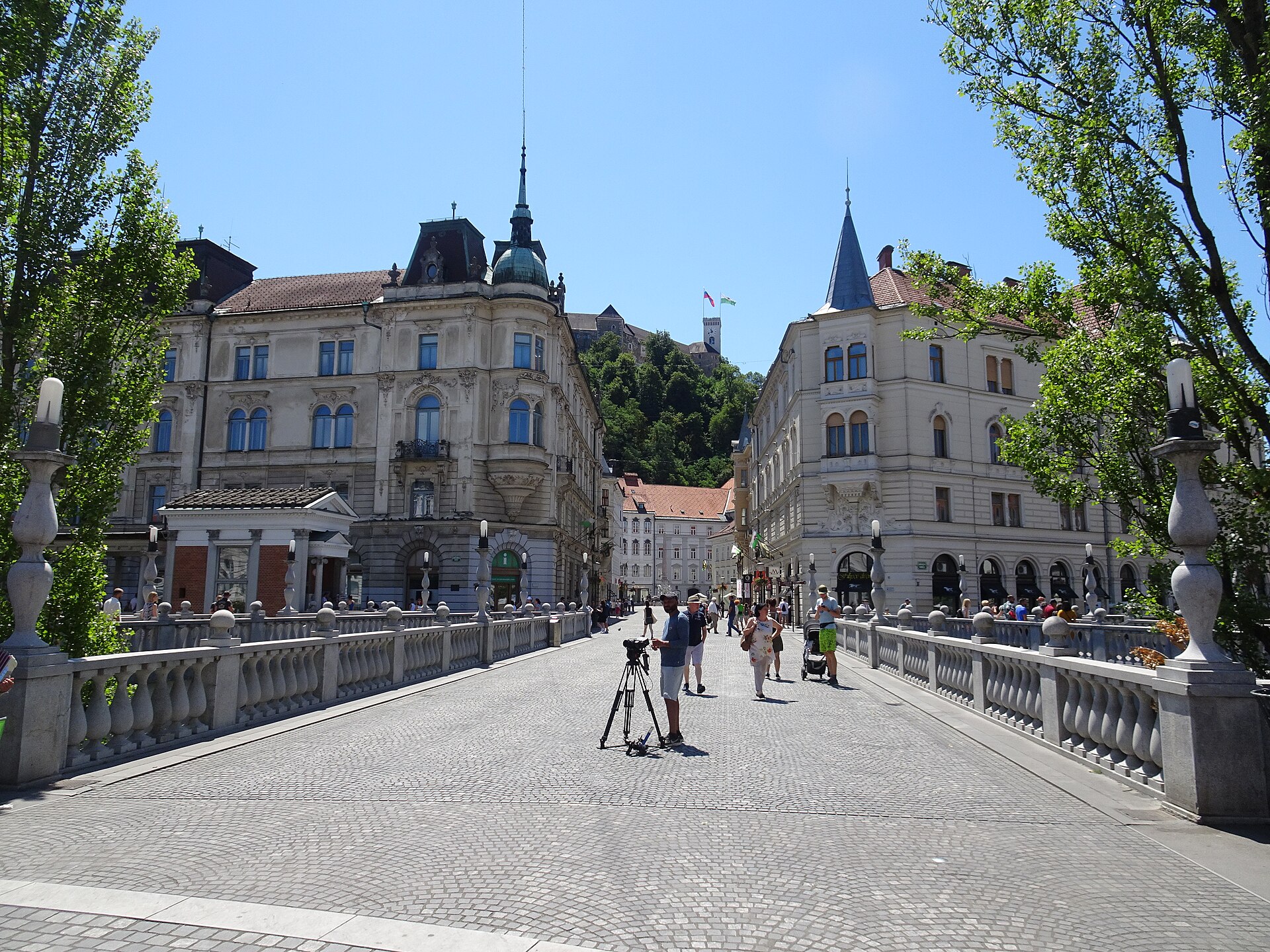
69.2A tiny, green, extremely liveable capital where the whole student scene fits in one riverside district, with the Alps and the sea both under two hours away. Its size limits both nightlife and course choice.
- 23
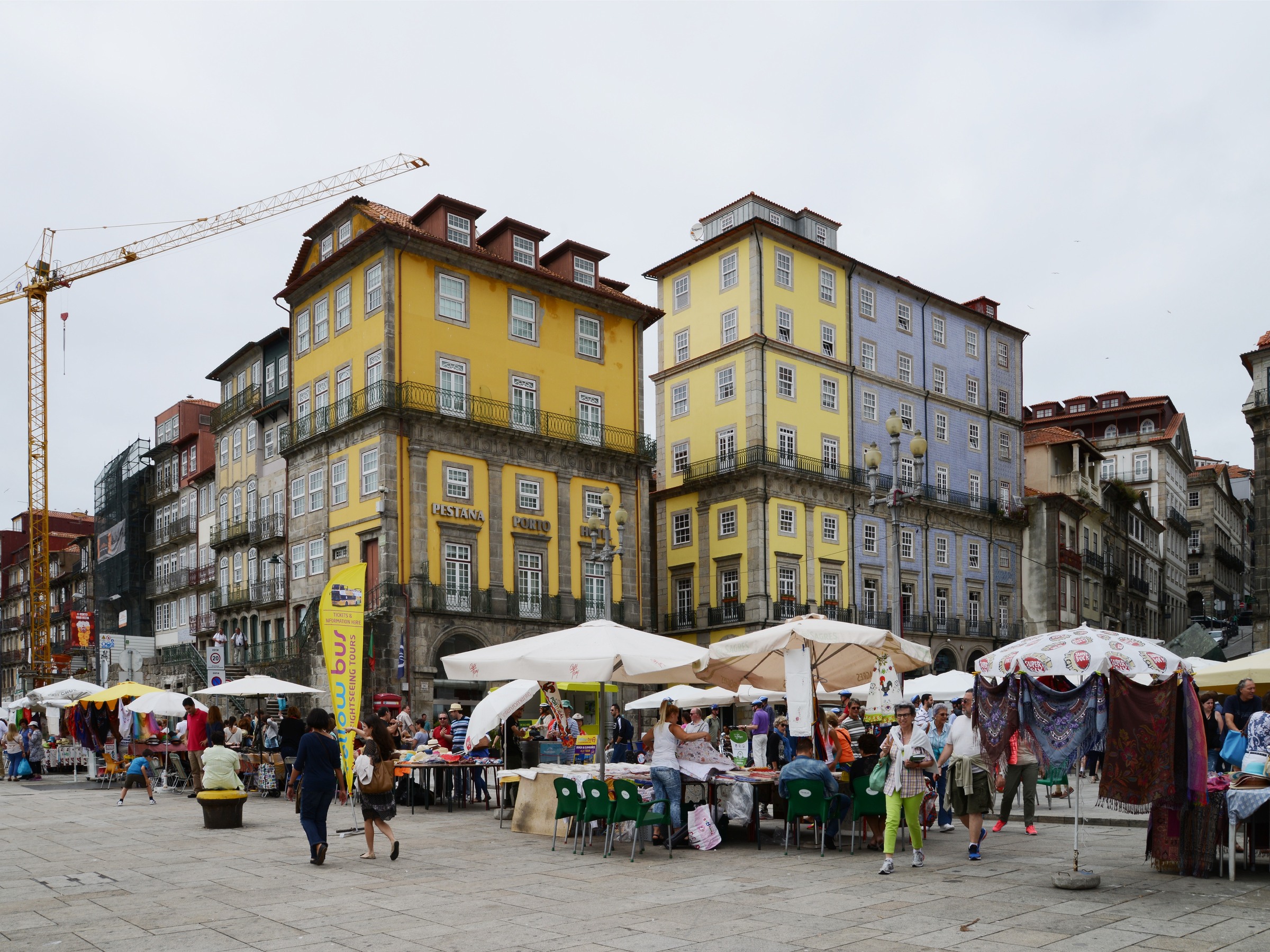
Porto
68.8Cheaper and more authentic than Lisbon, with the best food-and-wine culture on the list and a beautiful riverfront. The international community is smaller and the winters are wetter than students expect.
- 24
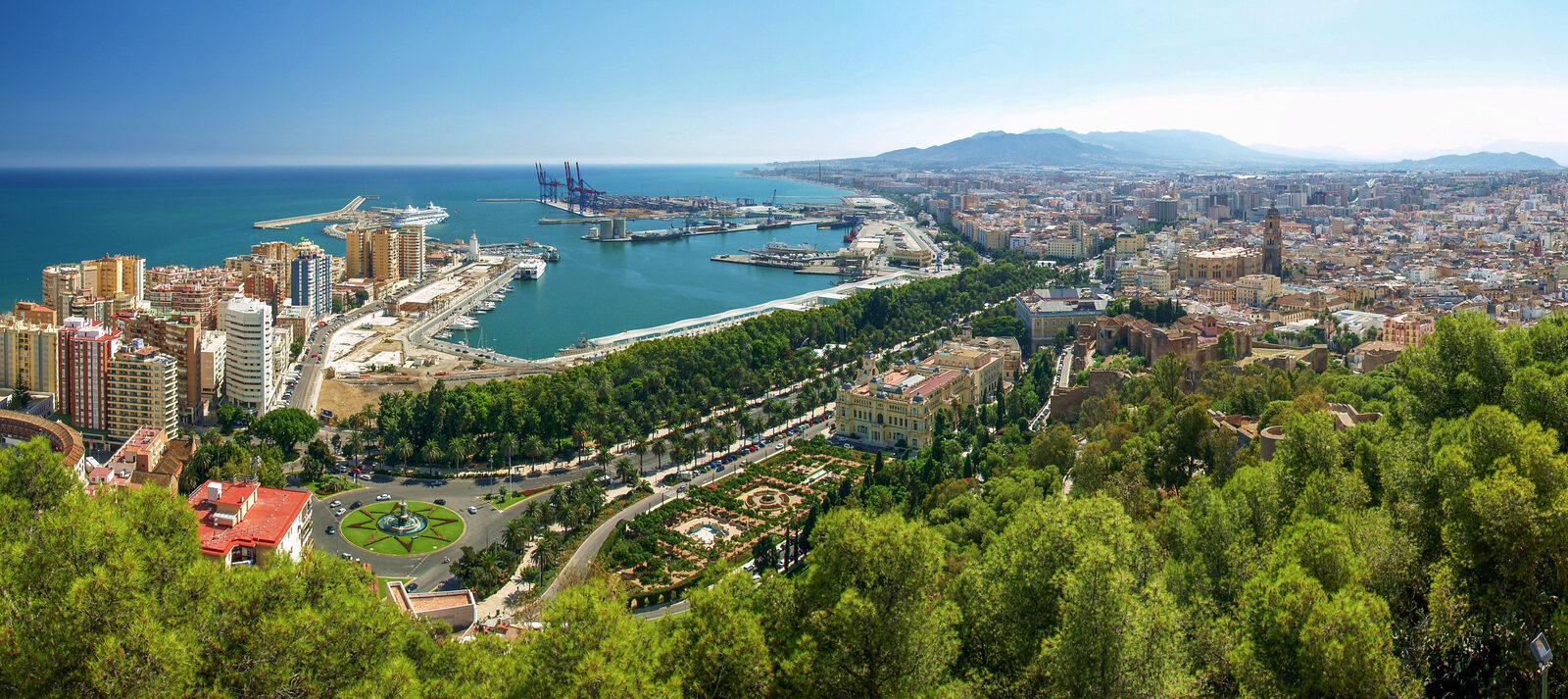
Malaga
68.4The sunniest destination in the Index and a growing tech-and-startup scene, with a beach lifestyle from September to June. Housing is tight and the nightlife is more tourist than student.
- 25
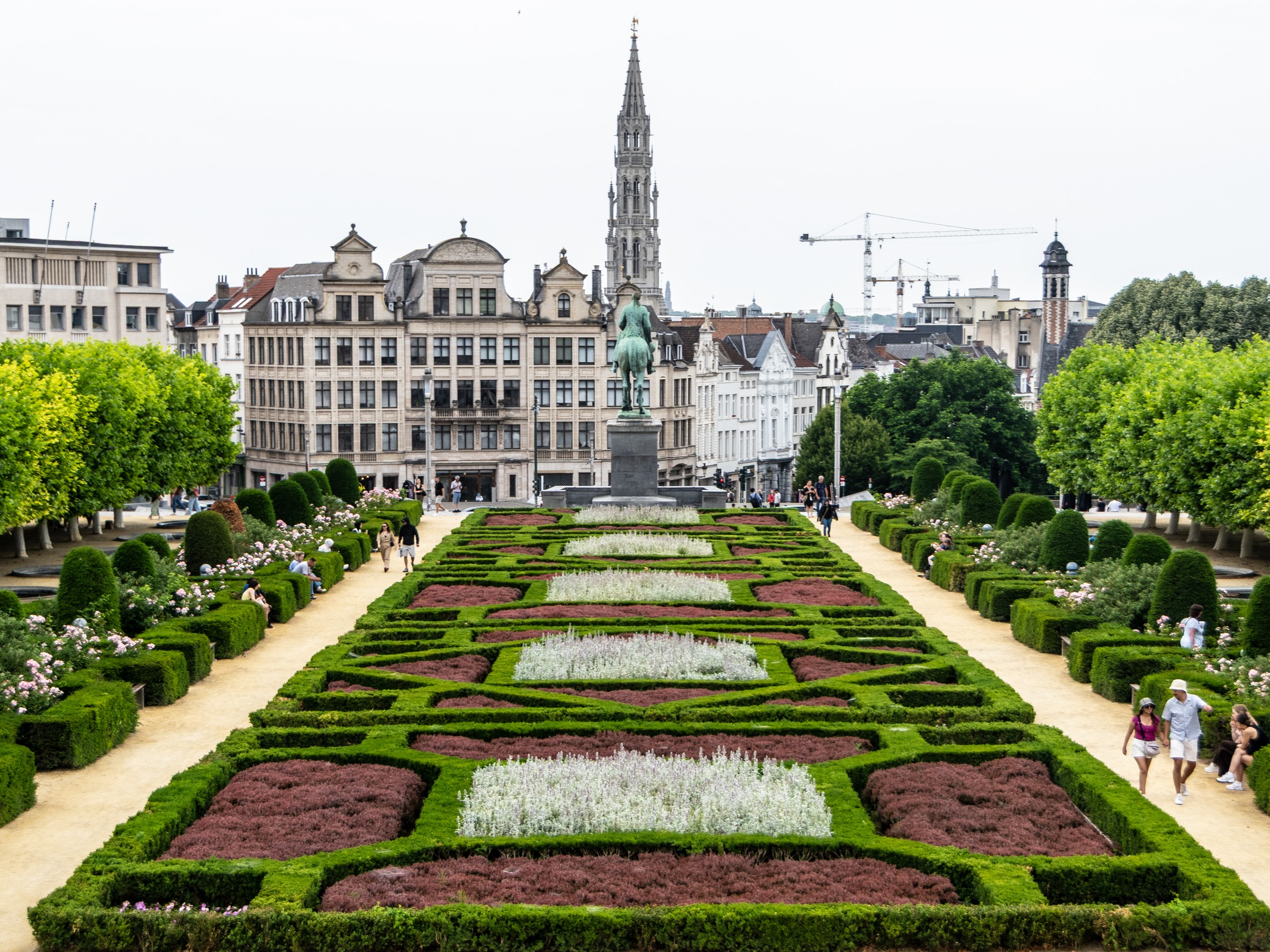
Brussels
66.8The most internationally useful city on the list: EU institutions, internships and trilingual life, with trains to Paris, Amsterdam and London. It ranks low on student life because the city is professional first and student second.

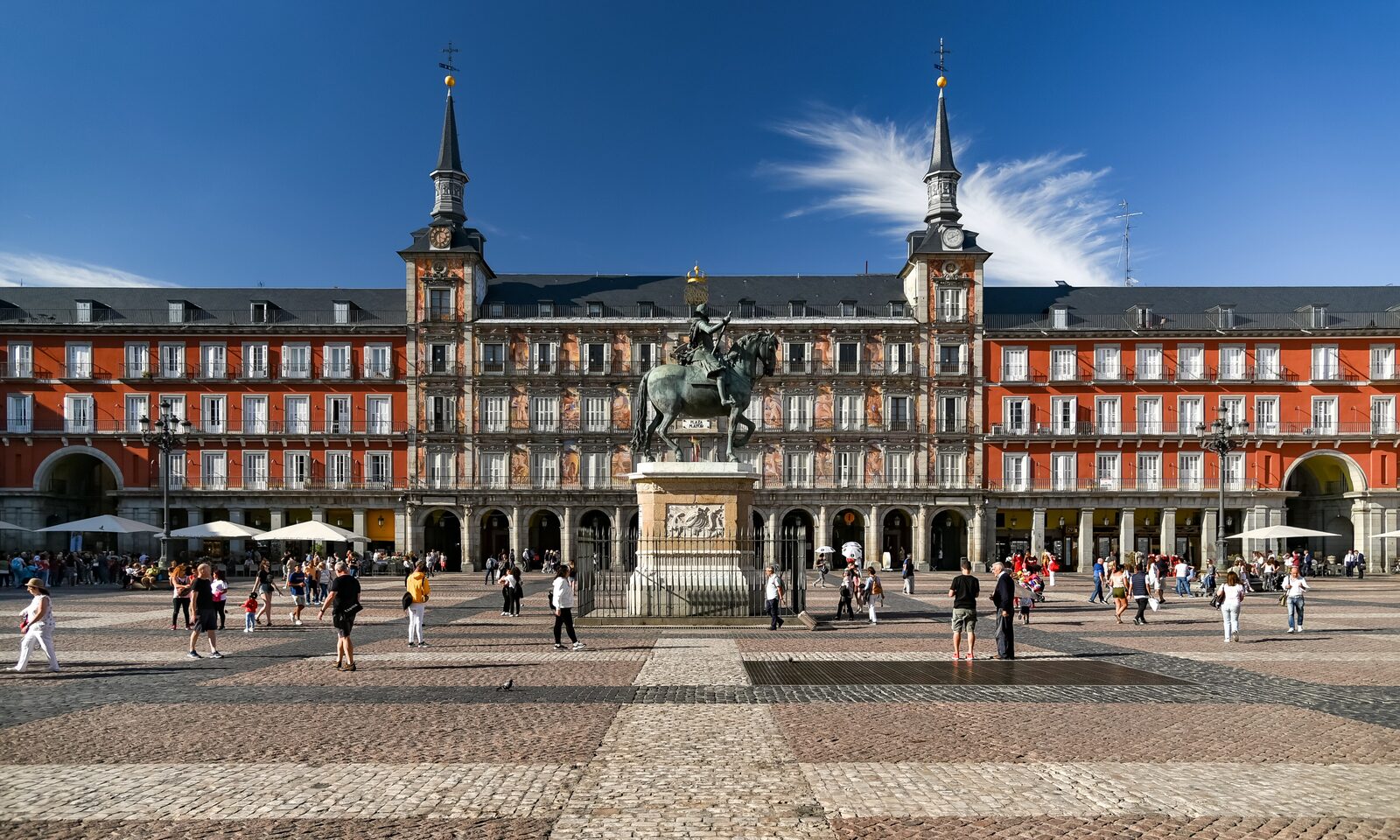
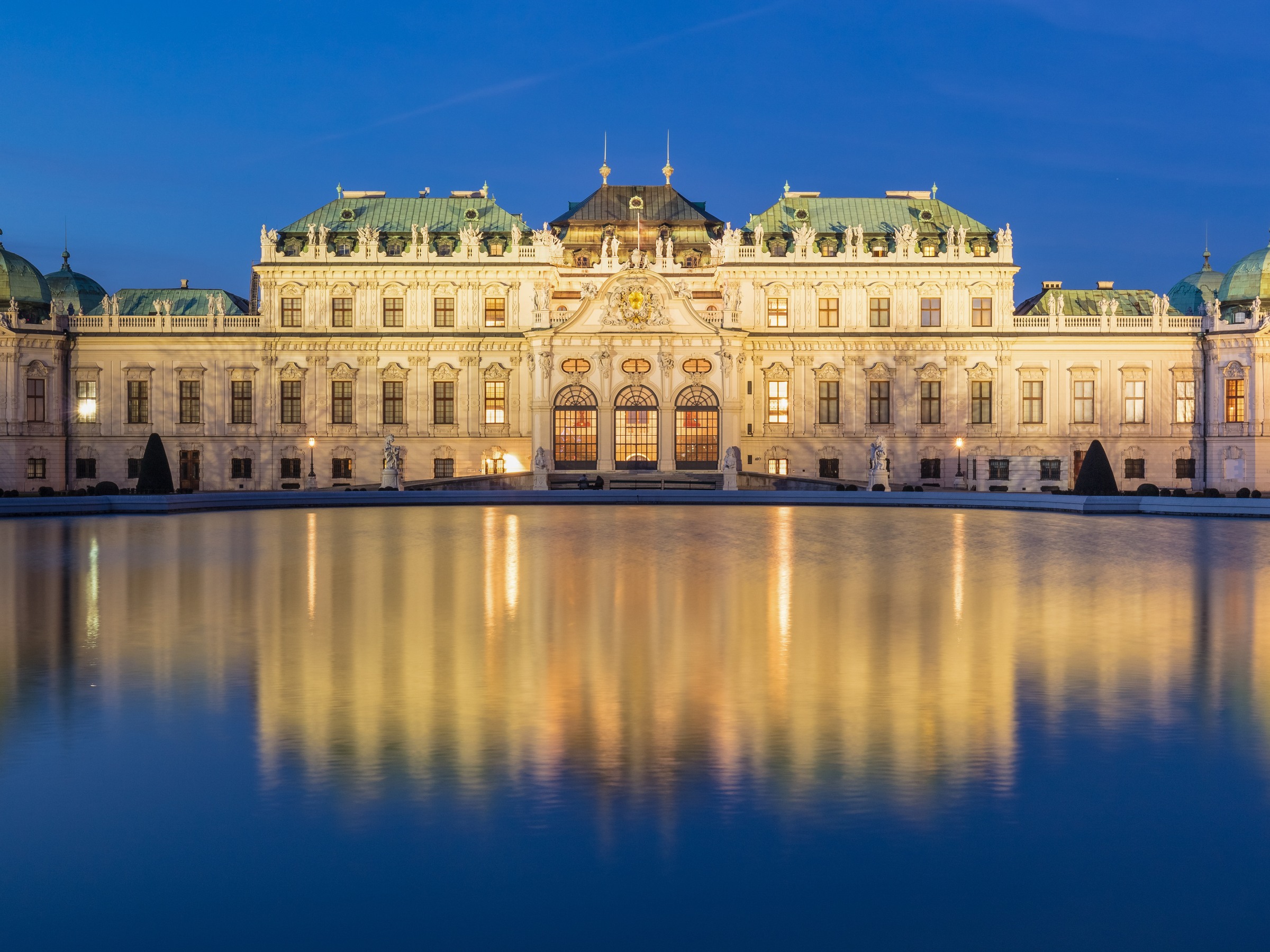
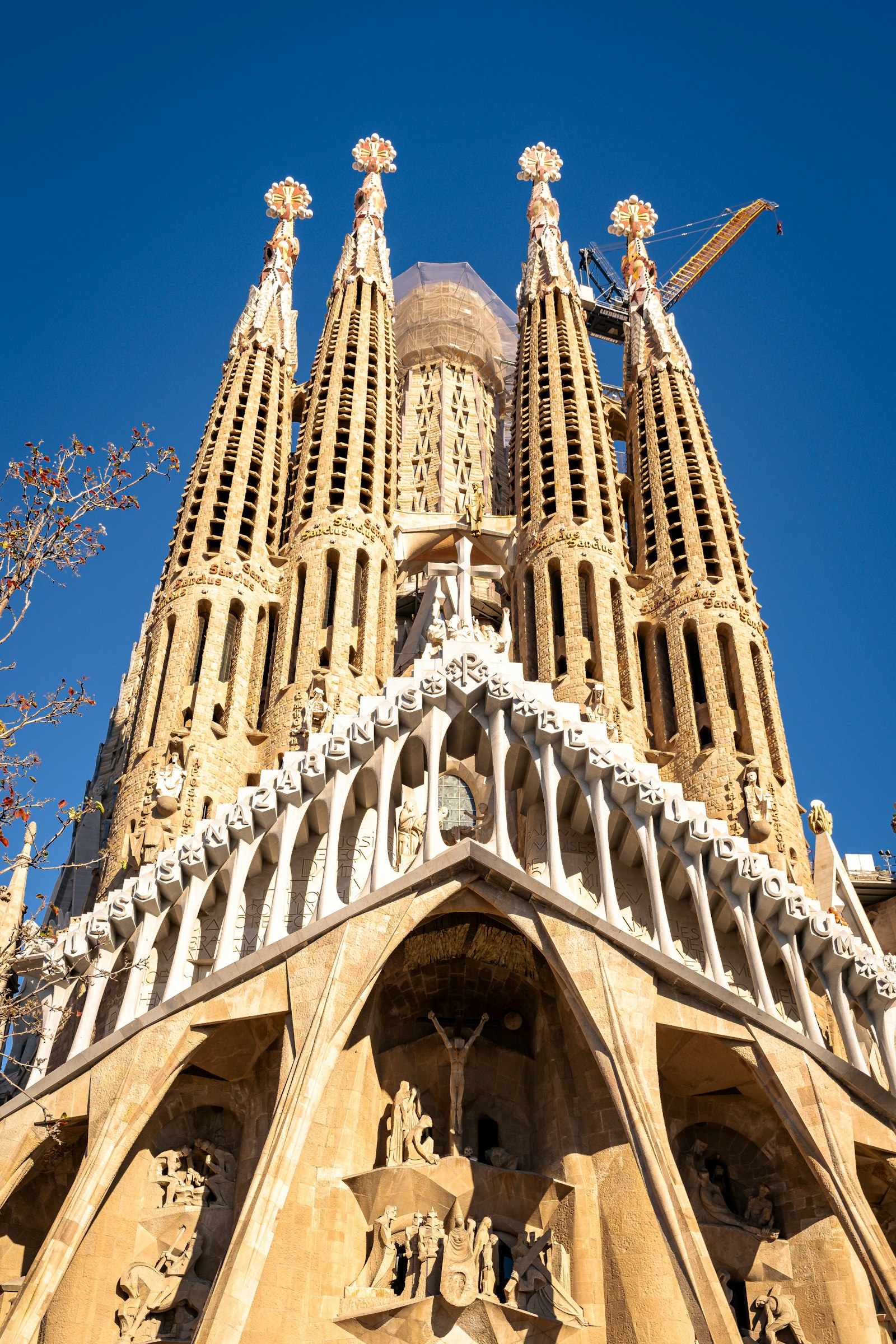
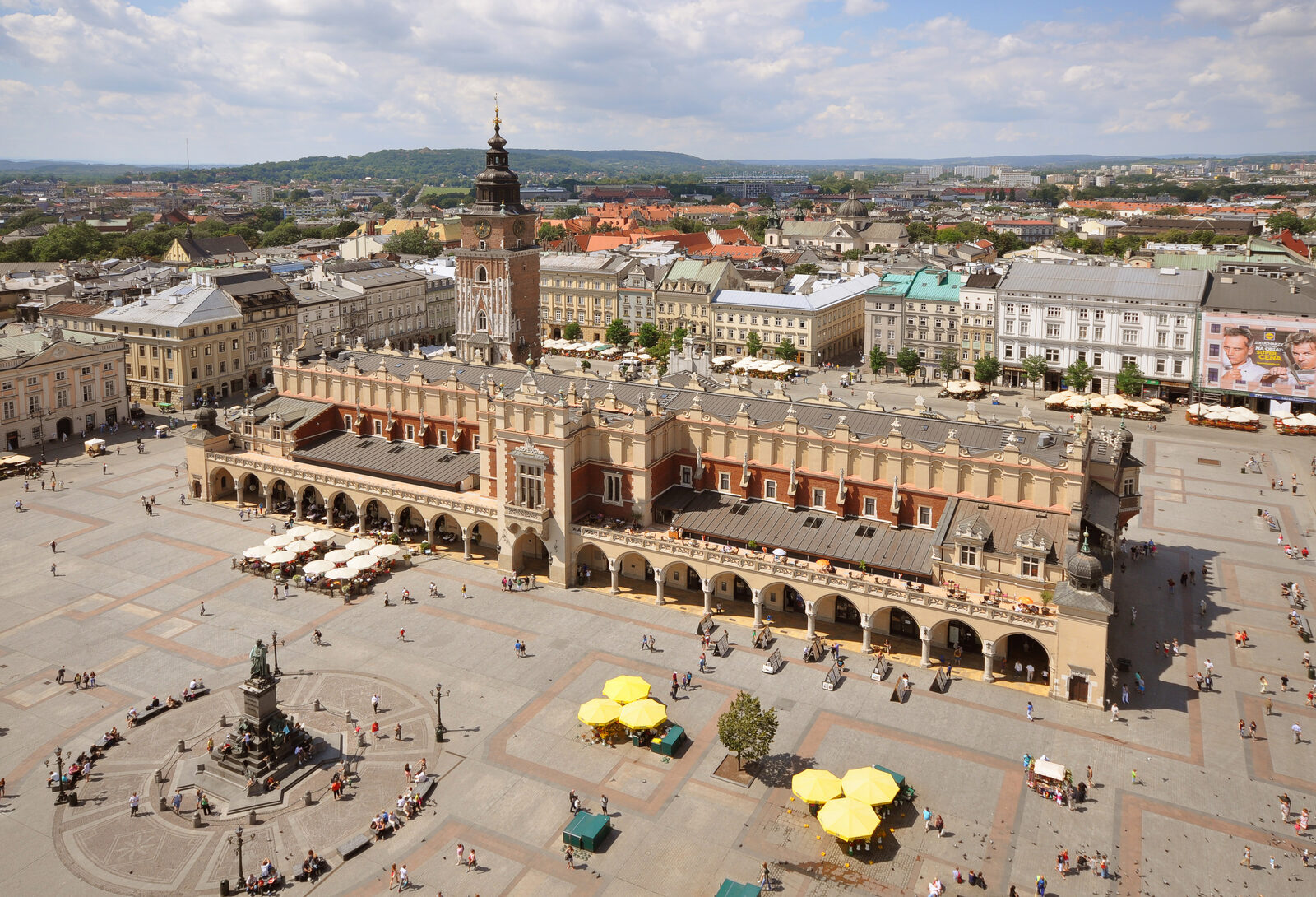

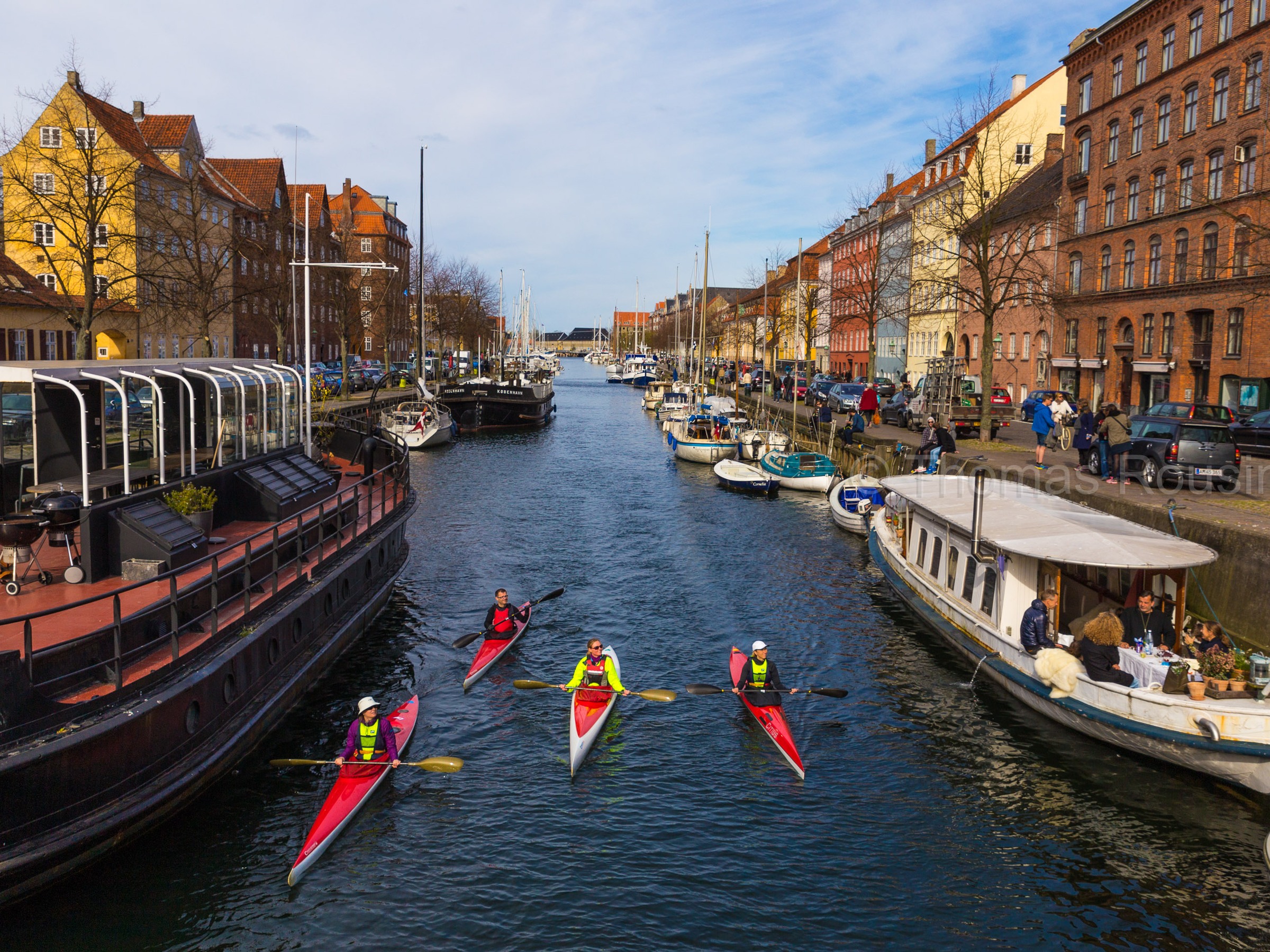
Two cities that just miss the Top 25 deserve a mention. Florence (66.4) offers an unmatched cultural year but is expensive and heavily touristed, while Copenhagen (64) has the strongest universities and design culture in the Index alongside the highest budget in Europe at €1,600 a month.
Best Student Life 2026
The heaviest-weighted factor in the Index. This ranking measures how quickly you find a group, how much is organised for internationals, and how much of the city's daily rhythm is set by students.
- 1
Granada
100The entire old town runs on student time; you will have a friend group within a week whether you plan it or not.
- 2
Seville
98Enormous, welcoming international community with something organised every night of the week.
- 3
Budapest
97Erasmus culture is an institution here — weekly events, boat parties and a community that absorbs newcomers instantly.
- 4
Bologna
95A thousand-year-old university town where student life and city life are the same thing.
- 5
Brno
9380,000 students in a compact centre creates an unusually tight-knit scene.
- 6
Lisbon
92Huge exchange population spread across several universities, with a permanent outdoor social life.
- 7
Prague
91The most international student body in Central Europe and a decades-old Erasmus infrastructure.
- 8
Ghent
89One of the highest student-to-resident ratios in Europe; the city empties in July.
Best Nightlife 2026
Scored on variety, price, closing times and how easy it is to walk in alone and leave with friends — not on how famous the clubs are.
- 1
Prague
100€2 pints, free entry before midnight and something on every night of the week.
- 2
Budapest
98Ruin bars are a format no other city has, and the Danube boat clubs run until sunrise.
- 3
Madrid
97Dinner at ten, clubs at three, churros at seven — the longest nights in Europe.
- 4
Berlin
96The world's deepest electronic scene, plus a bar culture with no closing time at all.
- 5
Lisbon
94Street-based, cheap and endlessly social: Bairro Alto to Pink Street to the river at dawn.
- 6
Barcelona
92Beach clubs, techno warehouses and terraces, at a price.
- 7
Seville
90Less clubbing, more all-night terraces, ferias and open-air botellón culture.
- 8
Granada
89Free tapas turns every night out into a cheap dinner; the scene is small, walkable and relentless.
For the full breakdown of prices, districts and closing times, read our dedicated nightlife guide linked at the bottom of this report.
Cheapest Erasmus Cities 2026
All-in monthly budgets including rent, food, transport and a normal social life. These are the cities where an Erasmus+ grant covers most of the year.
| # | City | Monthly budget |
|---|---|---|
| 1 | Brno | €800 |
| 2 | Wroclaw | €800 |
| 3 | Granada | €825 |
| 4 | Zagreb | €850 |
| 5 | Seville | €875 |
| 6 | Krakow | €875 |
| 7 | Warsaw | €900 |
| 8 | Ljubljana | €900 |
| 9 | Budapest | €925 |
| 10 | Padova | €950 |
The gap between the top and bottom of the Index is stark: a semester in Brno or Wroclaw costs roughly half a semester in Copenhagen (€1,600) or Amsterdam (€1,500), and the difference is almost entirely rent.
Best Weather 2026
Climate is the lightest-weighted factor, but it shapes how much of your year happens outdoors — and how bearable February feels.
- 1
Seville
100Roughly 300 sunny days a year and terrace weather from February to November.
- 2
Malaga
99The mildest winter in continental Europe; the beach is usable most of the academic year.
- 3
Lisbon
96Atlantic light, warm autumns and a winter that rarely drops below 10°C.
- 4
Granada
90Hot, dry summers with the unusual bonus of skiing in the Sierra Nevada in February.
- 5
Valencia
89Balanced Mediterranean climate — less extreme heat than inland Andalusia.
- 6
Madrid
85Dry, sunny and continental: fierce summers, crisp and bright winters.
- 7
Barcelona
84Humid but mild, with a sea that stays swimmable into October.
- 8
Toulouse
82The sunniest major city in France, with a long southern spring.
Best Travel Opportunities 2026
Measured by how many European destinations you can reach in under three hours for under €60 return during term time — the practical definition of a weekend trip.
- 1
Prague
100Berlin, Vienna, Krakow, Dresden and Bratislava are all bus or train distance.
- 2
Vienna
98The rail hub of Central Europe, with night trains to half the continent.
- 3
Budapest
96Cheap flights everywhere plus Vienna, Bratislava and Croatia by land.
- 4
Brussels
95Paris in 80 minutes, Amsterdam in two hours, London in two.
- 5
Berlin
94Two airports, Flixbus everywhere and Poland and Czechia next door.
- 6
Padova
92Padova sits on Italy's fastest rail corridor: Venice in 30 minutes, Milan and Florence in two hours.
- 7
Lisbon
90One of Europe's cheapest low-cost hubs, with Morocco and the Azores in range.
- 8
Warsaw
89A major airport with the widest route map in Central Europe.
Best Universities 2026
Academic standing matters, but so does the practical side: how many courses are taught in English, how well the exchange office works and how credit transfer is handled.
- 1
Bologna
100The oldest university in the world, and still one of the strongest names on a transcript.
- 2
Amsterdam
98Top-50 global research, almost everything taught in English, exceptional exchange infrastructure.
- 3
Copenhagen
97World-class teaching, small seminars and a genuinely different academic culture.
- 4
Vienna
96Enormous course catalogue and centuries of academic tradition.
- 5
Berlin
95Humboldt, FU and TU give Berlin more academic range than any other city here.
- 6
Barcelona
93UB, UAB and UPF combine strong research with wide English-taught options.
- 7
Madrid
92Complutense, Carlos III and Autónoma cover almost every field at scale.
- 8
Padova
91Galileo's university: elite in sciences and medicine, and superbly organised for exchanges.
Best Value for Money 2026
Value is what you get per euro spent: the combined student life, nightlife, university and travel scores divided by the monthly budget. This is the ranking to read if your grant is your whole budget.
- 1
Brno
100Top-tier student life and travel for €800 a month — nothing in Europe matches the ratio.
- 2
Wroclaw
97The same €800 budget with a bigger nightlife scene and a larger Erasmus community.
- 3
Granada
95Free tapas, €825 rents and the best social life in Spain.
- 4
Seville
93A top-three overall experience at a mid-table Spanish price.
- 5
Budapest
91The number one city overall, and still under €1,000 a month.
- 6
Padova
88An elite Italian university and Venice on your doorstep for €950.
- 7
Warsaw
87Capital-city amenities and a major airport for Polish prices.
- 8
Prague
85Slightly pricier than its neighbours and still outstanding value at €1,025.
Best Overall Experience 2026
The Index score answers 'which city performs best across the board'. This final ranking answers a slightly different question: which cities do students describe, in their own reviews, as the year that changed everything. It weights the student-experience layer far more heavily than the objective data.
- 1
Seville
100No city in our review database produces more students who say they would do it again without changing a thing.
- 2
Budapest
99The classic 'best year of my life' destination, and the most affordable way to have it.
- 3
Lisbon
97Reviewers describe Lisbon in emotional terms more often than any other city on the list.
- 4
Granada
96Small enough to feel like yours after a month, cheap enough to say yes to everything.
- 5
Prague
94The reliable choice: almost nobody comes back from Prague disappointed.
- 6
Bologna
92The most intellectually alive year on the list, and Italy's most student-centred city.
- 7
Berlin
90The highest ceiling of any destination — and the one that most rewards being proactive.
- 8
Brno
89Consistently the biggest positive surprise in our submissions.
Head-to-head: the comparisons students actually make
Most students end up choosing between two cities, not twenty-five. These are the closest match-ups in the 2026 Index — open any of them for a full side-by-side of budget, ratings and student verdicts.
How to use the Index when choosing your destination
A ranking is a starting point, not an answer. The students who report the best exchanges are the ones who matched a city to their own priorities rather than to a list.
- Start with your budget ceiling. Find the housing figure for each shortlisted city and remove anything you cannot comfortably afford for nine months.
- Pick the two factors you actually care about and re-read the category rankings above instead of the overall table.
- Cross-check against your partner list. The best city you can realistically be nominated to beats the best city on paper.
- Compare your two finalists head-to-head before committing — the differences are usually sharper than the Index scores suggest.
- Read the reviews for your finalists. Objective data tells you what a city has; student experiences tell you what a year there feels like.
If you are still undecided, our City Finder quiz scores all 27 destinations against your own weighting of cost, climate, nightlife, academics and travel — it is the Index, personalised.
Final thoughts
The headline of the Erasmus City Index 2026 is that value has overtaken prestige. The top five — Budapest, Granada, Seville, Prague and Brno — are all cities where a normal student budget buys an extraordinary year, while the most expensive capitals in Europe sit outside the top fifteen despite world-class universities.
The second story is Central Europe's rise. Brno and Wroclaw enter the top seven on the strength of €800 budgets, real housing availability and student communities that have quietly become as international as Prague's, a decade after Prague itself did the same thing.
We update this report every year as prices, housing markets and student reviews change. If you have already been on Erasmus, submit your experience — the next edition of the Index is built partly from what you tell us.
Frequently asked questions
What is the best Erasmus city in 2026?
Budapest ranks first in the Erasmus City Index 2026 with a score of 89.6/100, thanks to top marks for cost of living, nightlife, student life, housing and travel connections. Granada (88) and Seville (87.2) complete the podium.
How is the Erasmus City Index calculated?
Each of the 27 cities is scored 1–5 on seven factors — student life (22%), cost of living (16%), nightlife (16%), university reputation (14%), travel opportunities (14%), housing (10%) and climate (8%) — and the weighted average is converted to a 0–100 score. Objective city data is then cross-checked against real student experiences submitted to Erasmus City Finder.
Which Erasmus city offers the best value for money?
Brno, at roughly €800 per month, delivers the highest combination of student life, nightlife, university quality and travel access per euro spent, followed by Wroclaw (€800) and Granada (€825).
What are the cheapest Erasmus destinations in 2026?
Brno and Wroclaw are cheapest at around €800 a month all-in, followed by Granada (€825), Zagreb (€850), Seville and Krakow (€875), Warsaw and Ljubljana (€900) and Budapest (€925).
Where should I go on Erasmus if I want the best nightlife?
Prague tops the 2026 nightlife ranking for its combination of price, variety and closing times, ahead of Budapest's ruin bars, Madrid's all-night schedule and Berlin's electronic scene.
Are expensive cities like Amsterdam or Copenhagen worth it?
They rank lower in the Index because a €1,500–1,600 monthly budget and an extremely tight housing market limit what most students can do with their year. Academically they are among the strongest destinations in Europe, so they are worth it if your funding is secure and university reputation is your priority.
How often is the Erasmus City Index updated?
Once a year, ahead of the main nomination season, with prices, housing conditions and university data refreshed and every new approved student review folded into the scores.